Fleet & Industrial Telematics Hardware from China
For fleet and equipment operators, telematics providers, integrators, installers and distributors: define the requirement, compare available evidence, coordinate samples and check the data path before a wider order.
Looking for the full guide? This page outlines how a sourcing project is coordinated. The detailed buyer’s guide — routes into the market, how to compare and test, what to order — is on GPS tracker suppliers in China.
Why the requirement comes first
Supplier catalogues can contain many similar-looking devices. The practical difference appears in the supported bands, interfaces, accessories, firmware, protocol, documentation and installation conditions.
What we coordinate
The project may include tracking and data terminals, AI vehicle cameras, Bluetooth or wired sensors, condition monitoring, connectivity gateways and related accessories. Each category is checked against the operating requirement and available supplier evidence.
Platform fit is a separate check
LEXUNYU does not present a self-built software platform. Where a project needs integration, the selected hardware protocol, fields, events and server settings are checked against the customer's existing or selected platform.
Selection dimensions that decide fit
Most sourcing mistakes come from comparing models on price before checking the operating condition. The practical dimensions are power, network, interface, enclosure, firmware and protocol.
Documented hardware directions
For industrial plant, an IP67 gateway with CAN/J1939 and a suitable voltage range can be evaluated for the fields the exact machine exposes. Validate the machine interface, selected device and platform decoding before relying on working hours, fuel or machine status. A300 industrial gateway. For mixed fleets, a configurable CAT-1bis terminal with RS232/485 and sensor ports scales across vans and trucks. C003F. For exposed generators and outdoor assets, an IP67 terminal with built-in antenna and relay output. A700.
Certification per market
CE, FCC, RoHS and similar marks differ by destination. We document what each supplier can evidence and confirm the applicable marks at order time rather than assuming them.
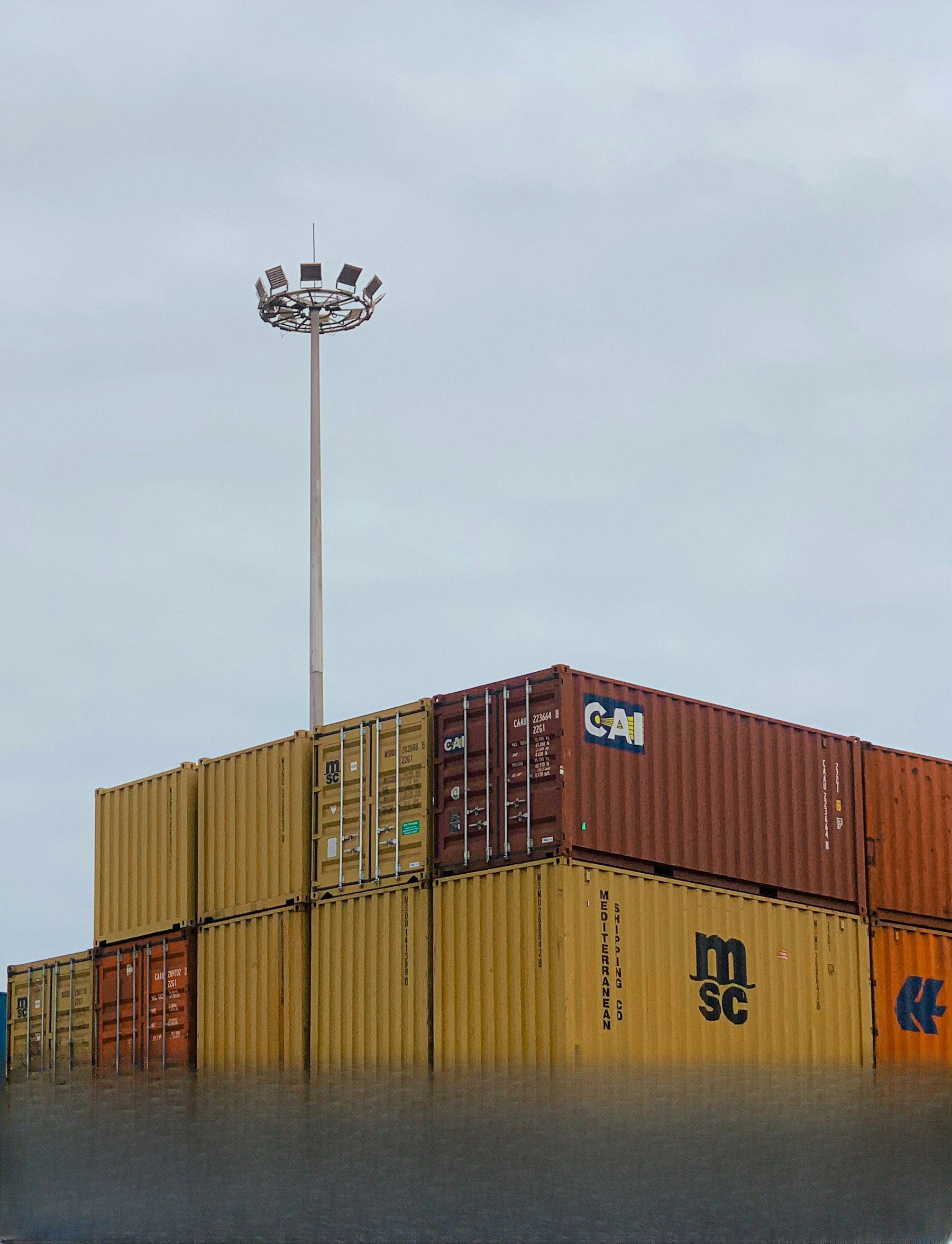
Start with the operation, then verify the hardware path.
We support fleet and equipment operators as well as telematics providers, integrators, installers and distributors. The work is to define requirements, compare available evidence, coordinate samples and check the data path before a wider decision.
Define the working requirement
Document the vehicles, equipment or assets, installation conditions, required signals and receiving platform before comparing models.
Compare evidence and samples
Review supplier documents, available interfaces and sample output. Anything not supplied remains an open item rather than an assumed capability.
Coordinate the data path
Confirm the protocol, fields, accessories, server settings and installation details required by the selected project.
Tell us the operation and the open questions.
We will reply with the checks still needed and an initial hardware direction.
Discuss your requirement