Tracking terminals
Location, movement and event records. A wired or battery terminal captures and reports the selected information. Check power, reporting interval and the receiving system.
Define the tracking result →Explore the hardware categories below, then browse representative models or discuss a project-specific configuration.
Location, movement and event records. A wired or battery terminal captures and reports the selected information. Check power, reporting interval and the receiving system.
Define the tracking result →Machine hours, operating state and available controller data. A gateway links vehicle or industrial interfaces to the receiving path. Check accessible fields, protocol and wiring.
Describe the data path →Clips your team can retrieve and review. Cameras and recorders capture the agreed event context. Check triggers, storage, access permissions and connectivity costs.
Describe the video workflow →Temperature, door state or fuel readings. Sensors provide measurements or state changes for a terminal or gateway. Check placement, calibration and the sensor interface.
Define the condition record →Driver identity or an authorised control event. Readers, tags and relays support the task; harnesses and mounting connect the setup. Check permissions, power and installer responsibility.
Describe the operating step →Records reaching the system your team uses. Modems, antennas and gateways support the data connection. Check coverage, offline handling and data-plan costs.
Describe the receiving environment →Exact components and system fit are confirmed for your project.
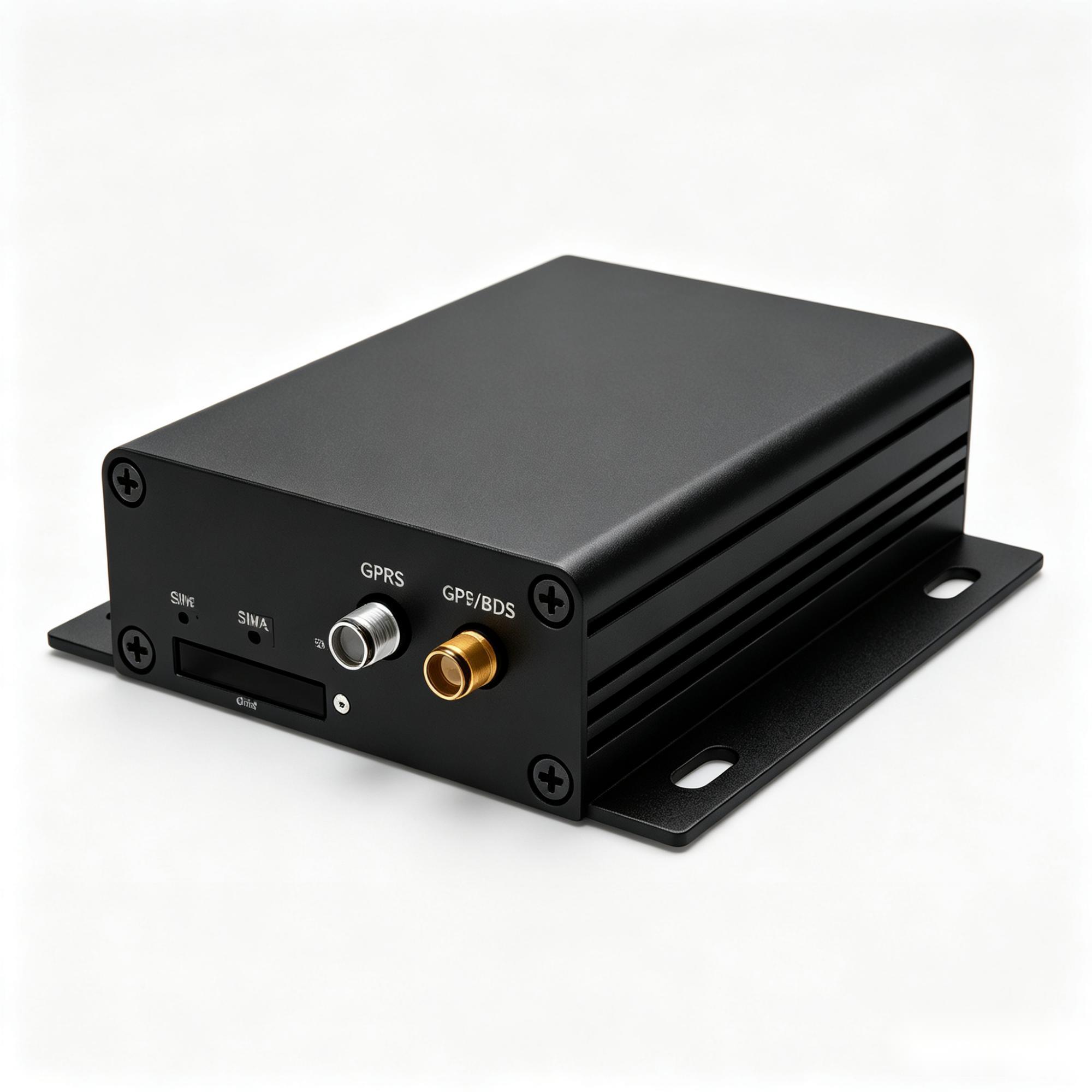
For excavators, tractors, trucks and specialist equipment that need location, available machine data, work states or matched sensors.
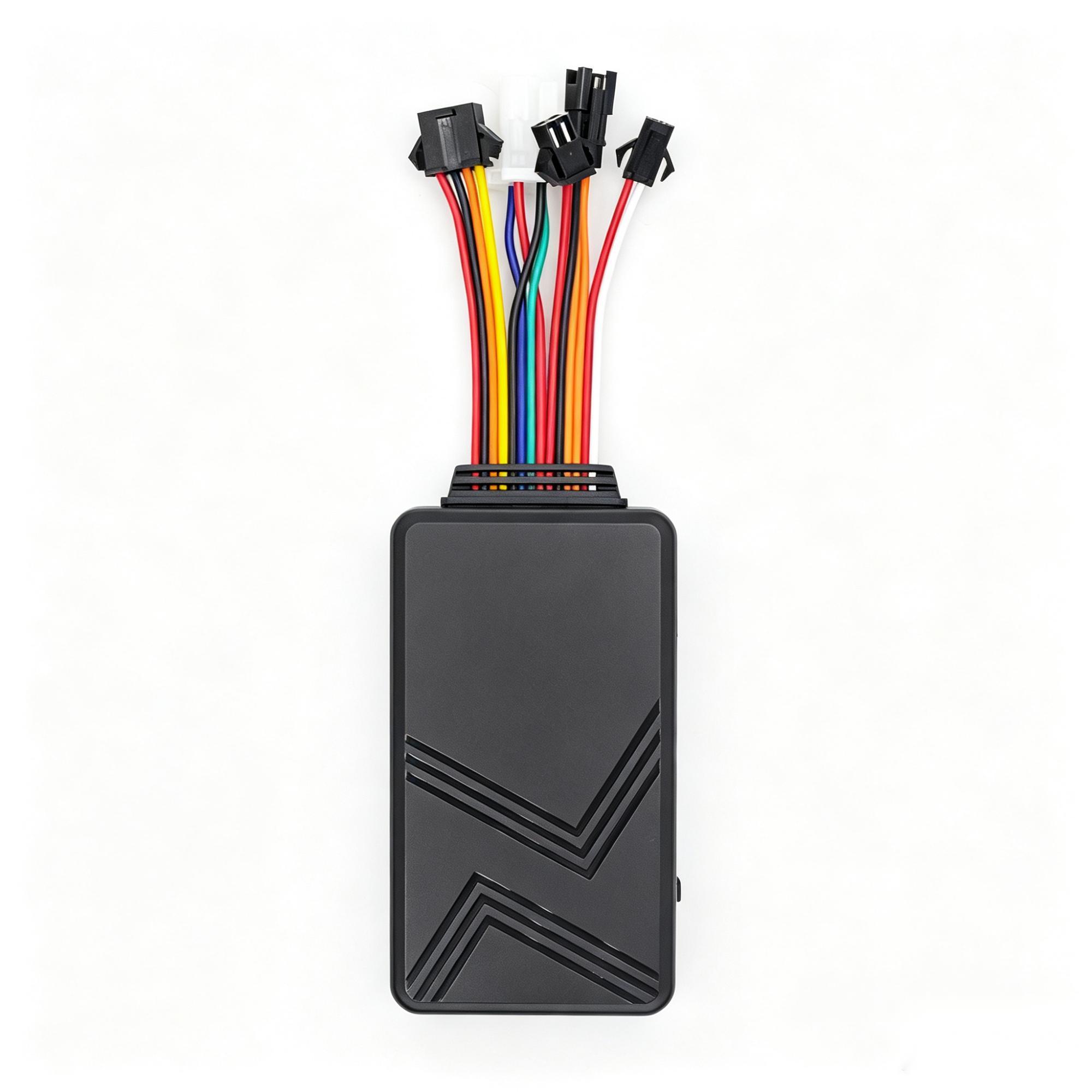
For logistics, rental and service fleets that may add supported driver, temperature, fuel, camera or SOS workflows.
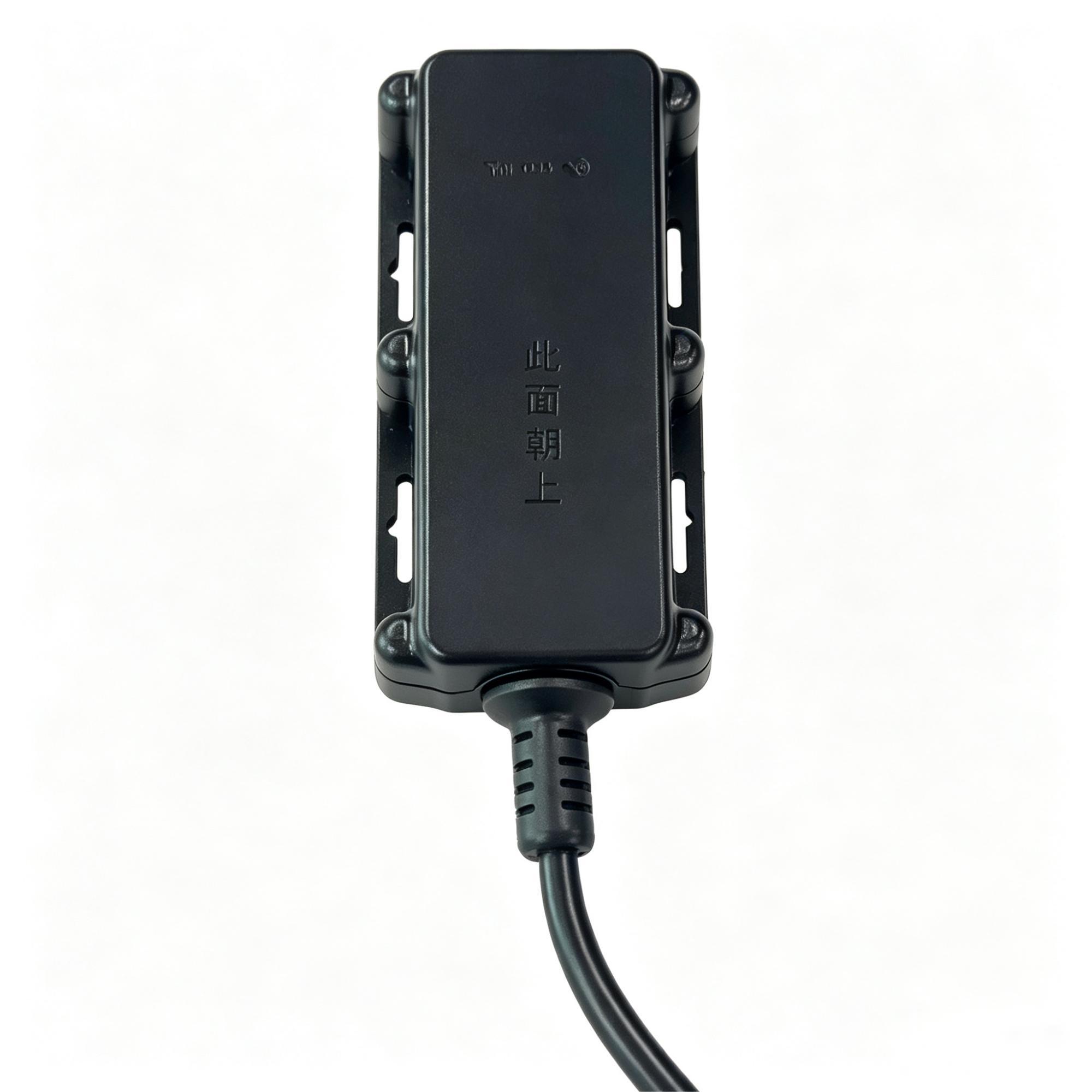
For exposed powered vehicles and equipment that need location, movement and power events without CAN engine data.
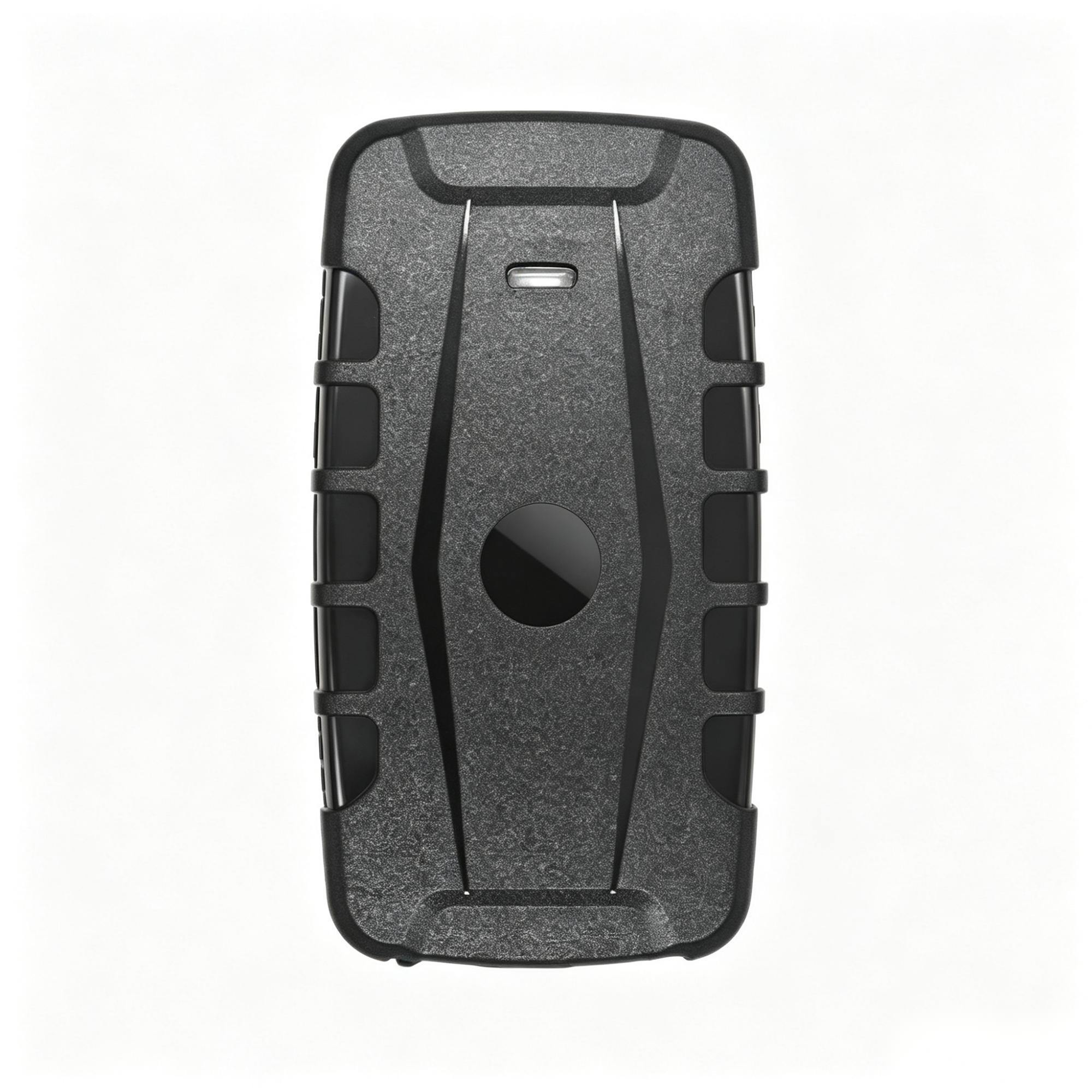
For containers, trailers and temporary equipment that need periodic location and movement records without fixed power.
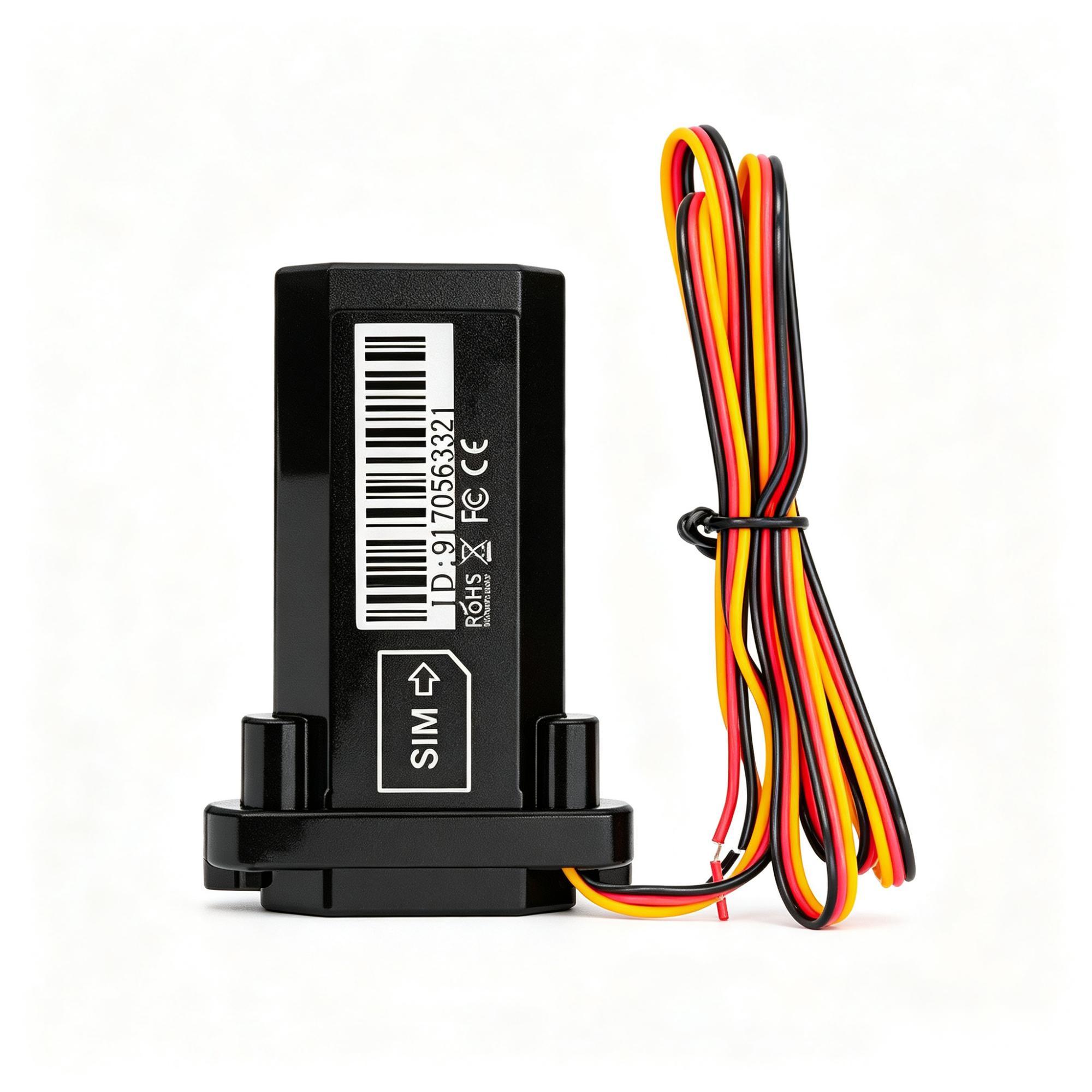
For motorcycles and light vehicles where rain, dust and road exposure matter more than sensor expansion.
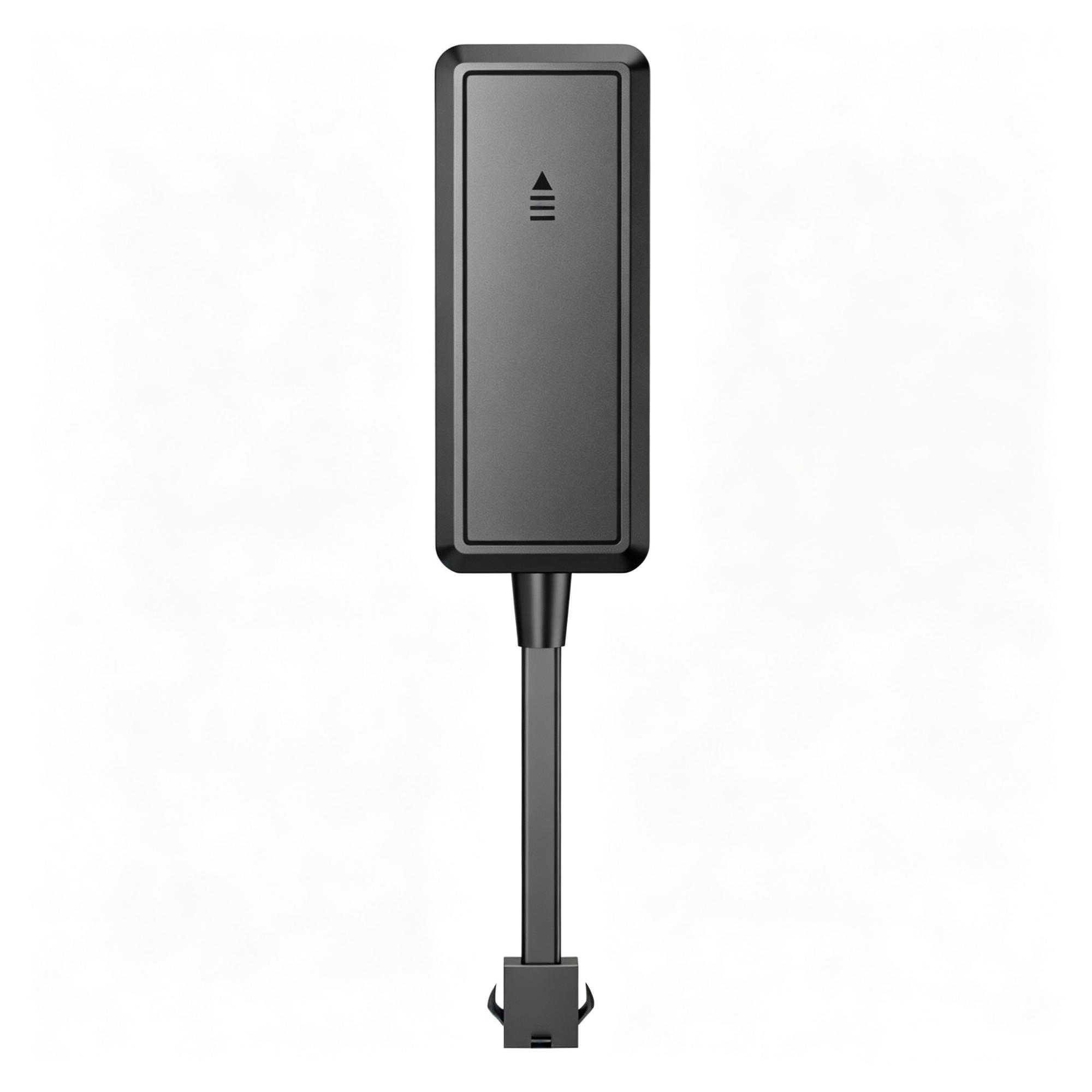
For scooters, motorcycles and light vehicles that need location, ignition status and essential security events.
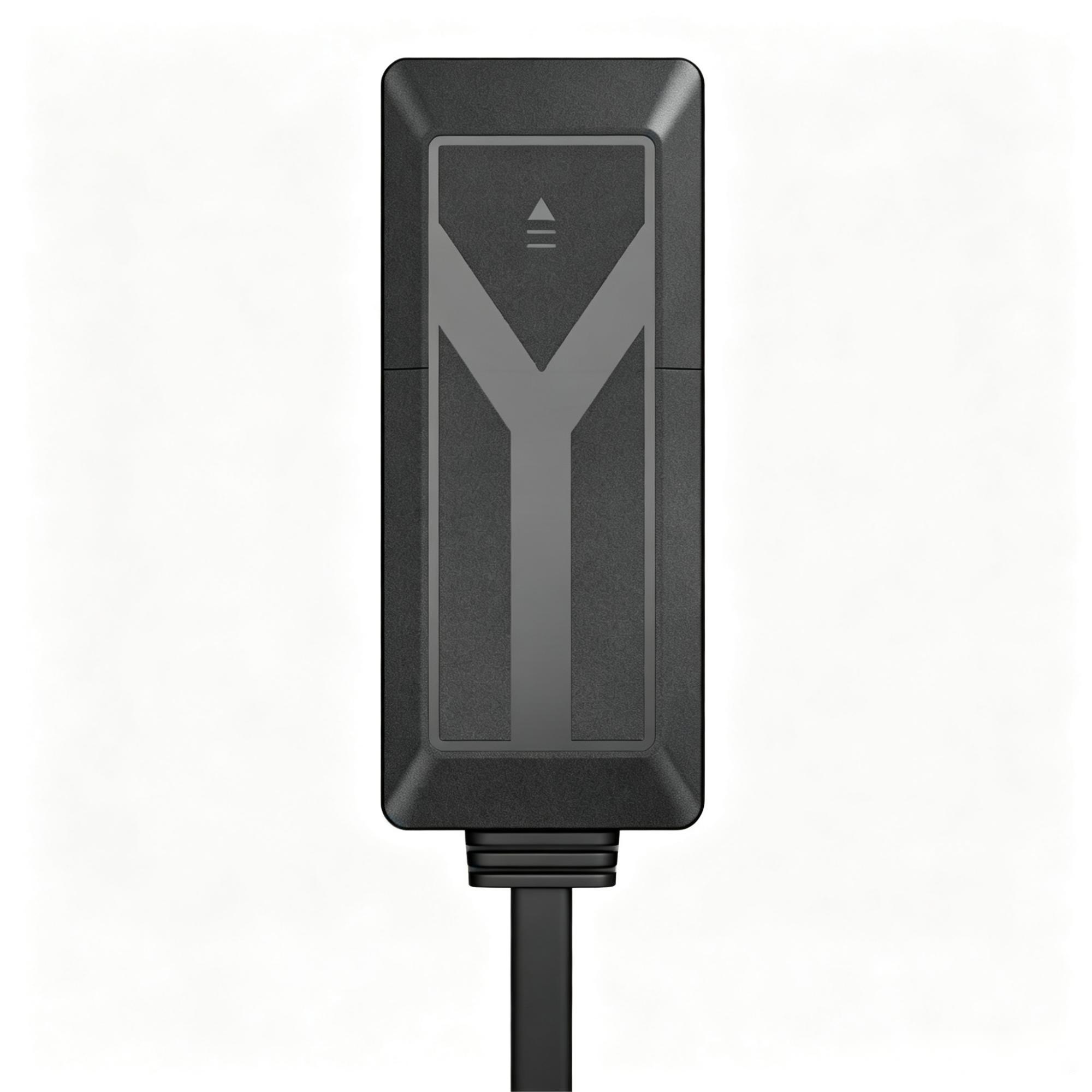
For ordinary delivery, rental and company fleets that need routes, ignition status and alerts without industrial interfaces.
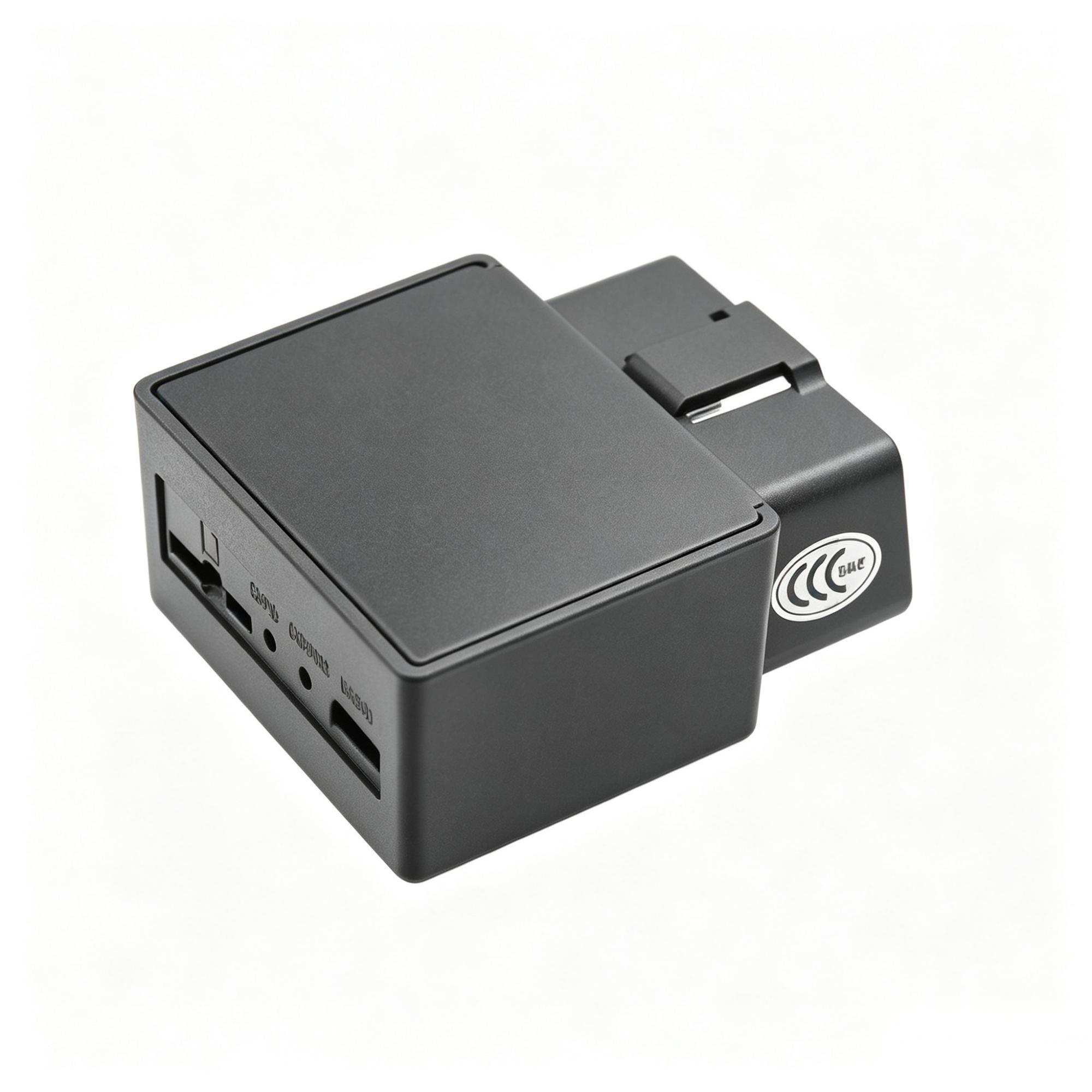
For private cars, finance and rental workflows where discreet installation and power-cut awareness are useful.
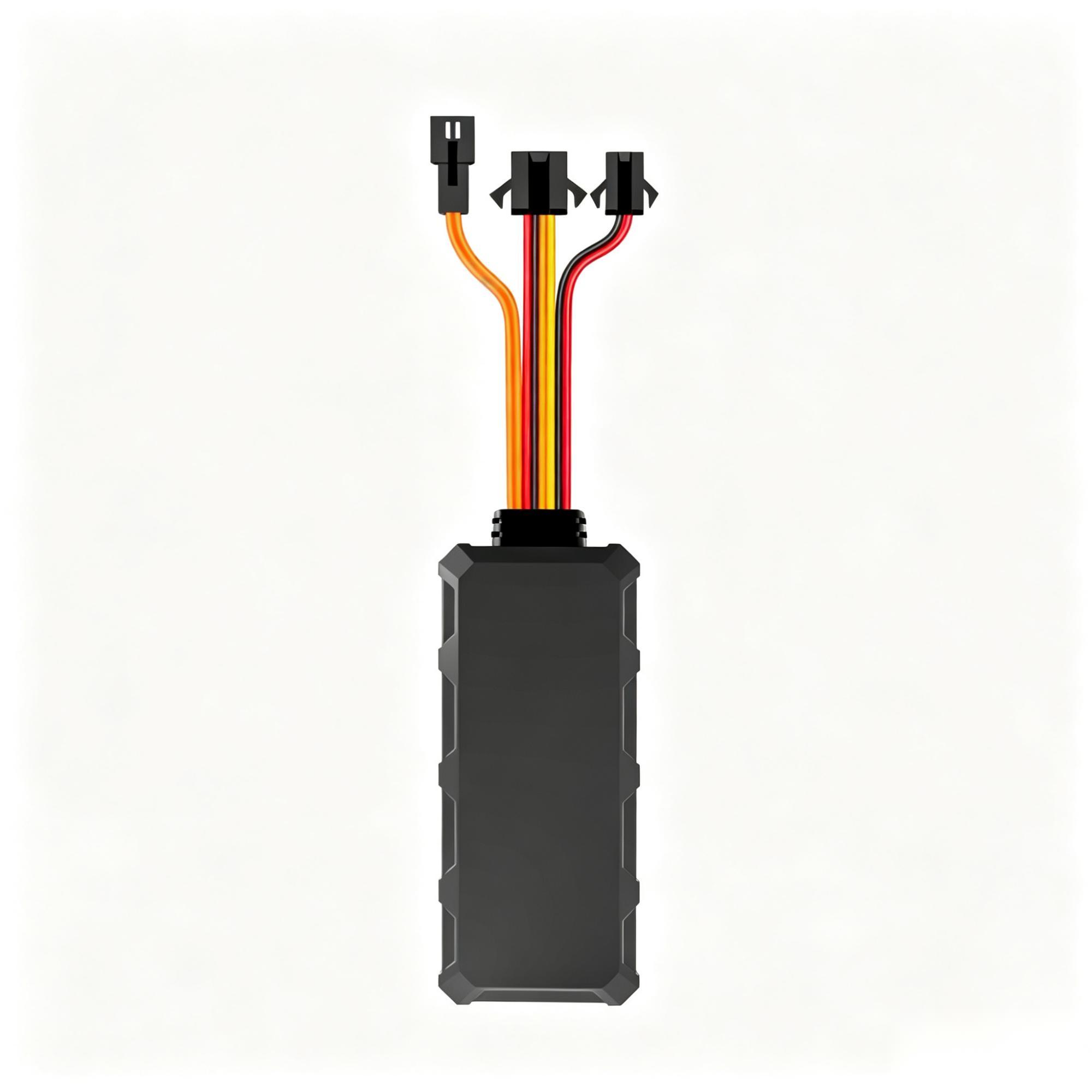
For authorised rental, finance and vehicle-security workflows using supported SOS, overspeed and control functions.
Tell us about the equipment and we will check other sourcing options.
Describe the equipment