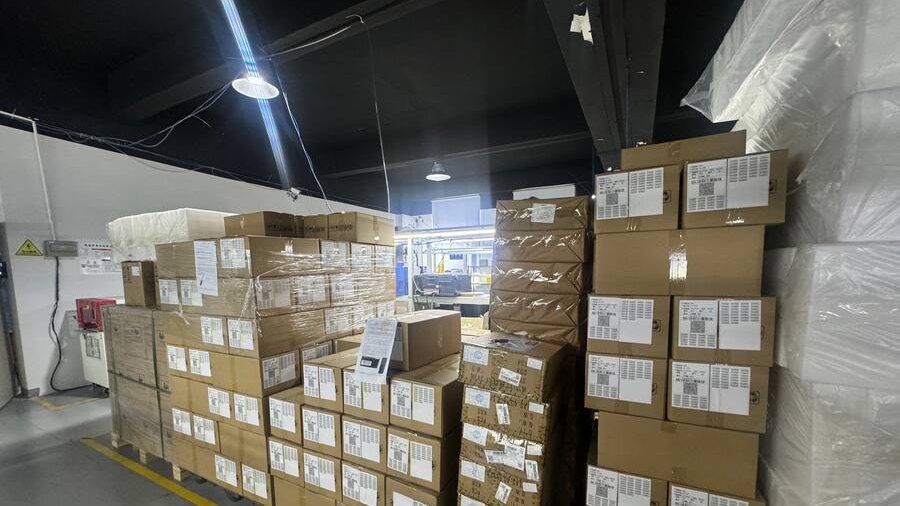
If you are buying tracking hardware from China for the first time, the hardest part is not finding a supplier. It is working out which kind of supplier you actually need, and what to check before the order becomes a fleet-wide commitment.
This guide covers the three routes into the Chinese market, the selection dimensions that decide whether hardware survives its first year, how to run a sample test that proves something, and the commercial terms worth fixing in writing before a purchase order.
Three ways to buy GPS hardware from China
Buyers usually meet three kinds of counterparty in Shenzhen, and they are not interchangeable. The right one depends on how precisely you already know the model you want.
| Route | Works well when | Where it breaks down |
|---|---|---|
| Factory direct | You already know the exact model, protocol and configuration, volume is large, and you can run field testing yourself. | A factory sells what it makes. If its product does not fit your vehicle mix, you are unlikely to be told so. |
| Trading company | You want one invoice, one shipment and mixed items, and you are not sensitive to which factory built what. | Selection tends to follow what is in stock or carries the best margin. Technical questions get relayed rather than answered. |
| Sourcing & integration partner | You know the operating problem but not the model; the fleet is mixed; data has to land in a platform you already run. | It is an added coordination layer. If your requirement is one known SKU in volume, this layer earns nothing. |
If you can name the model, the fleet is uniform and you can test it yourself — go to the factory. You will not need us, and we would rather say so than sell you a layer that adds nothing.
LEXUNYU is a Shenzhen-based telematics hardware sourcing and integration partner. We are not a factory, and we do not pretend the middle layer is always worth paying for. It earns its place in a narrower case: a mixed fleet, an unclear requirement, several suppliers to compare, and a platform that has to receive the data in a specific shape.
OEM/ODM: confirm the customisation threshold
Customisation should follow the real use case and the selected device path. Logo, housing, packaging, harnesses, firmware or protocol work is coordinated against the manufacturer, model and integration scope; it is not a substitute for choosing the right hardware first.
Customisation work typically starts from 100 units. Standard products, samples and small validation batches are handled separately, so a team can test the hardware before committing to a production run.
Buyer questions to settle before ordering
Before comparing a quotation, write down the questions that determine whether the proposed hardware is usable:
- What vehicle or asset is in scope, and what installation method will it use?
- Which destination market and network requirements must the device support?
- Which events and data fields does the team actually need?
- Which protocol, server settings and platform fields must be checked before sample testing?
- Which model-specific documents are available, and what certification coverage remains to be verified for the destination market?
- What is the sample plan, and who owns support and manufacturer coordination after the test?
What actually goes wrong after the order lands
These are the recurring patterns behind hardware that arrives, installs, and then disappoints. None of them are visible in a catalogue photograph.
Voltage and interface mismatch
A device rated for a 12/24V van is not a device for a 90V-capable machine, and a tracker that reads CAN/J1939 on one truck may find nothing exposed on another. In a mixed fleet, buying one model for every asset is the most common cause of a rollout that stops halfway.
A network generation being retired
Cellular generations are switched off market by market. Hardware built on a band scheduled for shutdown in your destination country can be obsolete before the warranty ends. Network choice is a market question, not a hardware preference.
Three suppliers, three data formats
A GPS unit from one vendor, a fuel sensor from another, a camera from a third — each reporting in its own format. The result is three dashboards and no single view of a vehicle. Unifying this afterwards costs more than specifying it at the start.
Hardware locked to one platform
Some devices only report usefully into the vendor's own platform. Changing software later then means changing hardware — every unit, every vehicle. Whether a device can be pointed at your own server is a question to settle before the order.
Certification assumed rather than evidenced
A supplier holding one certificate for one model does not mean every model in the catalogue carries the marks your market requires. The document has to be produced for the specific model you are buying.
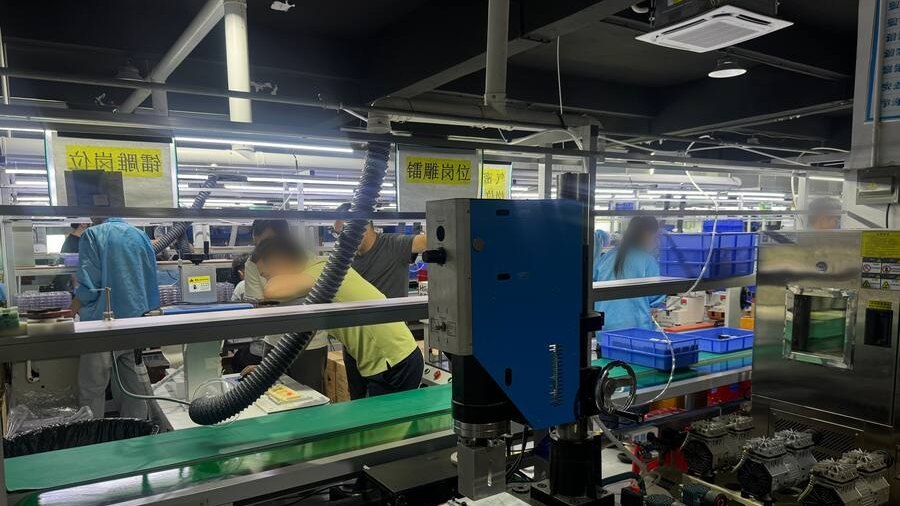
The dimensions a supplier comparison has to cover
Before comparing prices, compare the device against the operating condition. These axes decide whether hardware survives its first year in the field.
| Dimension | What to establish | Why it decides the outcome |
|---|---|---|
| Power | Input range across every asset class in scope; whether any asset is unpowered. | Wrong range is the most common field failure. Trailers and generators often need a different device class from the tow vehicle. |
| Network | Cellular generation supported in each destination market, plus that market's shutdown roadmap. | Determines whether the fleet still reports in three years or needs replacing. |
| Interface | RS232/485, CAN/J1939, digital and analogue inputs — and what the vehicle actually exposes. | Sets the ceiling on what machine data can ever be read. |
| Enclosure | Ingress rating, housing material, mounting method, vibration and heat exposure. | IP67 and aluminium housings matter for exposed plant and wash-down. |
| Protocol & server | Which protocol the device speaks, and whether the endpoint can be pointed at your platform. | Decides whether you own your data path or rent it. |
| Documentation | Certification documents for the specific model; datasheet; protocol description. | Customs, tender compliance and integration all depend on paper you can produce. |
Category comes before model. Wired gateways with CAN/J1939 suit machines where hours and machine state matter (see the A300); outdoor IP67 units suit exposed plant (A700); expandable terminals suit mixed fleets needing sensors (C003F); battery units suit trailers and containers with no permanent power (GT76).
Sample testing: what to check before a bulk order
A sample that only proves the device powers on has proved almost nothing. Four checks predict how the deployment behaves at scale:
- Install on the real asset. Not a bench, not a car — the actual vehicle class or machine in scope, with the wiring conditions the installer will face.
- Read the fields you need. Confirm the specific data points arrive: position, ignition, fuel, temperature, door state, hours, CAN parameters — whichever the project depends on.
- Send it to your own server. Point the device at the platform you intend to run and confirm the data arrives usable, not only into the vendor's dashboard.
- Watch behaviour over days. Reporting interval under motion and at rest, battery behaviour, reconnection after signal loss, and alert accuracy over days rather than minutes.
Not every claim can be evidenced before an order. Reporting rates in a market you have not tested, long-term firmware behaviour and batch-to-batch consistency are examples. Our practice is to grade evidence — confirmed, conditional, or not found — and show the not-found items rather than quietly dropping them. A sourcing report containing no gaps has usually hidden them.
What to fix in writing before you order
Technical fit is half the decision. These points cause as many problems later, and they are cheaper to settle before the purchase order.
| Term | How LEXUNYU handles it |
|---|---|
| Minimum order | Custom orders start from 100 units. Samples and small validation batches are handled separately, so testing does not require a production commitment. |
| Lead time | Confirmed by model, configuration and order quantity. We do not publish a single figure, because a configured order and a stock item are not the same lead time. |
| Warranty | 12-month limited warranty from the shipment date shown on the commercial invoice — a date both sides can verify from the same document. |
| Certification | Certification documents are available for selected models. Applicable marks are confirmed for the specific model and market at order time. |
| Platform choice | No requirement to use a particular platform. Devices can be pointed at your own server where the model supports it. |
| Contract term | No multi-year lock-in and no automatic renewal as a condition of buying hardware. |
Getting the data into the platform you already run
The step most often left out of a sourcing conversation is the one that decides whether the hardware is useful. Four things need to be settled: which protocol the device speaks and how each field maps to your platform; reporting frequency under motion, at rest and on event; how GPS, fuel, temperature and camera data from different devices arrive as one record for one asset; and whether the platform stays your choice after the hardware is bought.
Before you contact anyone
The tracker selection check walks through the selection dimensions above, the data usage calculator estimates cellular volume from reporting interval, and the blank field confirmation sheet records what each asset needs. All three are free and usable with any supplier, including ours.
Ordering for a whole fleet rather than a pilot? Sourcing fleet GPS trackers from China covers batch consistency, firmware control, spares and staged rollouts.
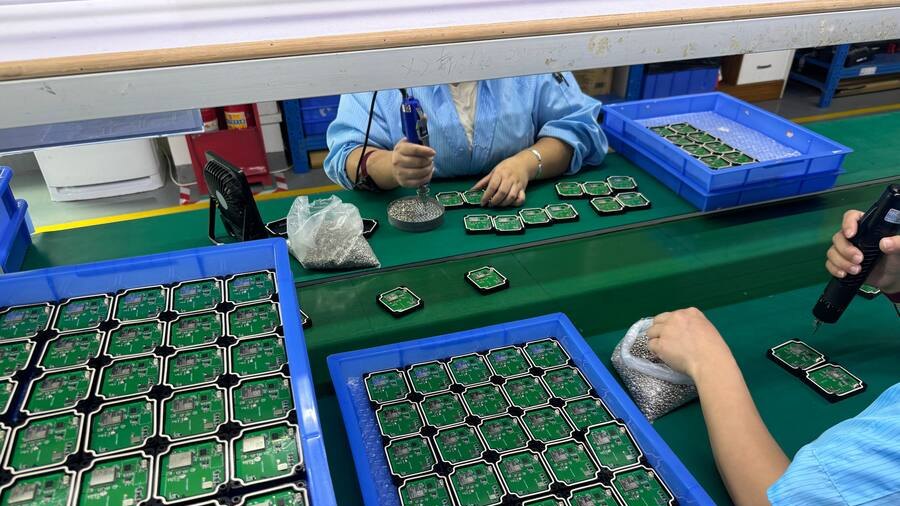
Frequently asked questions
Are you a GPS tracker manufacturer?
No. LEXUNYU is a Shenzhen-based telematics hardware sourcing and integration partner. We compare suppliers, coordinate representative sample checks against the intended asset and prepare platform integration. We do not own a factory and do not claim to.
Why not just buy factory direct and skip the middle layer?
If you already know the exact model, the fleet is uniform and you can run your own field testing, buying direct is a reasonable choice and we will say so. The middle layer is worth paying for when the requirement is unclear, the fleet is mixed, several suppliers need comparing, or the data has to land in a platform you already run.
What is the minimum order quantity?
Custom orders start from 100 units. Samples and small validation batches are handled separately, so testing a device does not require committing to a production run.
How long is the lead time?
Lead time is confirmed by model, configuration and order quantity. We do not publish a single number because a configured order and a stock item behave differently.
What warranty applies?
A 12-month limited warranty from the shipment date shown on the commercial invoice. Using the invoice date means both sides can verify the start point from the same document.
Can you provide certification documents?
Certification documents are available for selected models. We confirm which marks apply to the specific model and destination market at order time. We do not represent one certificate as covering an entire catalogue.
Can the devices report to our own platform?
Where the model supports it, devices may be pointed at your own server. We confirm the model, receiver, permissions, field mapping and project responsibilities before you commit.
Do I have to sign a multi-year contract?
No. There is no multi-year lock-in and no automatic renewal attached to buying hardware.
Can I test a sample before ordering?
Yes, and we recommend it. Sample validation on a representative vehicle or machine — including sending data to your own server — is the step that prevents the most expensive mistakes.
Which markets do you supply?
The hardware is sourced from China and supplied internationally. Network generation and certification requirements differ by market, so both are confirmed against the destination country rather than assumed.