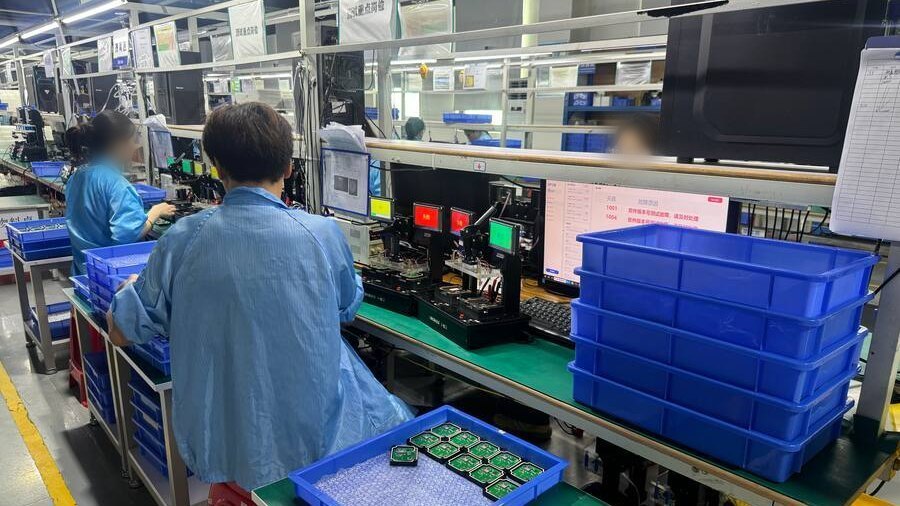
This page is specifically about Fleet Hardware. If you are still deciding what to buy, start with the main guide for this topic: Hardware and Platform Compatibility: Can This Tracker Report to Our System?.
"Fleet hardware" is a broader category than most buyers expect. It is not just the tracker: it is the device, its power and mounting arrangement, whatever sensors hang off it, the SIM inside it, and the documentation that lets you import and deploy it.
This page covers what the layer contains, how device categories map to a mixed fleet, and what separates a hardware supplier worth working with from one that simply ships hardware without selection support. For how the layer sits alongside connectivity and software, see vehicle tracking systems.
What the hardware layer actually contains
| Component | What it decides | Commonly overlooked |
|---|---|---|
| The device | What can ever be measured, and what protocol it speaks. | That a device with no interface can never produce machine data, whatever the platform promises. |
| Power & mounting | Whether the unit survives, and whether the install is permitted on leased assets. | Lease restrictions on permanent wiring; mounting positions that block signal. |
| Sensors | Fuel, temperature, door, driver identification — anything beyond position. | That each sensor needs a supported input, calibration and a platform field to land in. |
| Connectivity module | Which cellular generations and bands the unit can use, and for how long. | Shutdown roadmaps in the markets the assets actually enter. |
| Documentation | Whether you can import, certify and integrate the hardware. | Certification is per model and variant, not per catalogue. |
Device categories a mixed fleet needs
A mixed fleet may need more than one device category. The categories depend on each asset's power, mounting, interfaces, environment and reporting path:
- Wired gateway with a machine interface — where engine hours, fuel or fault codes are the point. Typically A300 class.
- Expandable terminal — where sensors, camera or driver identification matter on road vehicles. Typically C003F class.
- Rugged outdoor unit — for plant and equipment left exposed, with wide voltage input. Typically A700 class.
- Battery unit — for trailers, containers and attachments with no permanent supply. Typically GT76 class.
For a reseller or installer buying for several customer fleets, use the reseller hardware sourcing guide. Which of these you need follows from the assets, not from the supplier's catalogue. The asset-by-asset guides are linked from the overview.
How to evaluate a fleet hardware supplier
Price per unit is the easiest thing to compare and the least useful. These questions separate suppliers more reliably:
- Will they tell you a product does not fit? A supplier that answers every requirement with a yes is describing their catalogue, not your fleet.
- Can they produce documentation for the specific model? Datasheet, protocol description and certification for the exact variant and market — not a catalogue-wide claim.
- Will they support a real sample test? Including sending data to your own server, not only into their demo platform. See sample validation.
- What happens when a network generation is retired? A supplier who has not thought about this in your markets has not thought about your project's second year.
- Is the hardware tied to their platform? If changing software later means changing every unit, that is a cost you are agreeing to now.
- What are the commercial terms in writing? Minimum order, lead time basis, warranty start point, DOA handling.
How we work
LEXUNYU is a Shenzhen-based telematics hardware sourcing and integration partner rather than a factory. In practice that means comparing suppliers against your asset list, coordinating representative sample checks, and preparing the integration questions for the platform you intend to run.
Where that is not worth paying for — a uniform fleet, a known model, your own testing capability — going direct to a manufacturer is a reasonable choice and we will say so. The reasoning is set out in how to compare, test and order from a Chinese supplier.
| Term | How we handle it |
|---|---|
| Minimum order | Custom orders from 100 units; samples and small validation batches handled separately. |
| Lead time | Confirmed by model, configuration and quantity rather than published as one figure. |
| Warranty | 12-month limited warranty from the shipment date shown on the commercial invoice. |
| Certification | Documents available for selected models; applicable marks confirmed per model and market. |
| Platform | No requirement to use ours. Devices can be pointed at your own server where the model supports it. |
Before you contact anyone
The tracker selection check turns an asset list into a hardware specification; the blank field confirmation sheet records what each asset class needs; the data usage calculator sizes the connectivity side. All free, and usable with any supplier.
Sourcing directly from China? See sourcing fleet GPS trackers from China for what changes at fleet scale.
Buying as a fleet and buying as a platform are two different shortlists
The same hardware supplier gets approached by two kinds of buyer with almost opposite priorities. Being clear about which one you are shortens the conversation considerably.
| You operate the fleet | You run the platform | |
|---|---|---|
| What you actually need | Units that survive your environment and install quickly on your vehicles. | A protocol you can parse, documented, that will not change under you. |
| First question to ask | What is the voltage range, the IP rating at the real mounting position, and the install time per vehicle? | Which protocol, is the specification written down, and what is the change-notification commitment? |
| What kills the project | Ingress failures and units that take three hours each to fit. | A silent firmware change that alters a field, breaking ingestion for every device already in the field. |
| What to fix in the order | Spares held, RMA turnaround, and who pays freight on a DOA. | Firmware version pinned, change notice in writing, and a test device kept on the old version. |
| Where the cost really is | Fitting labour and platform subscription over five years — not the unit price. | Engineering time absorbing protocol variation across models. Fewer models beats cheaper models. |
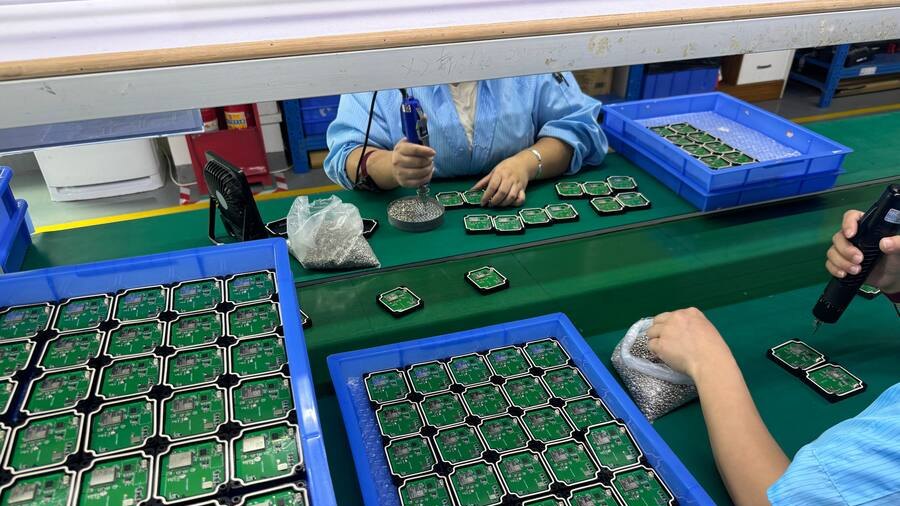
Integrators and installers sit between the two and inherit the worst of both: they carry the fitting labour and the protocol risk, usually on someone else's margin. For them the decisive question is neither price nor features but variance — how consistently unit 300 behaves like unit 1, which is a question about the supplier's test process rather than about the product. That is exactly what we look at on a supplier line, described in what we look at when we walk a GPS tracker factory.
Frequently asked questions
What counts as fleet hardware?
The tracking device itself plus everything that makes it work: power and mounting arrangement, any sensors, the cellular module and SIM, and the documentation needed to import, certify and integrate it.
Do we need more than one device type?
It depends on the power, mounting, interfaces, environment and reporting path of the road vehicles, machines and unpowered assets in scope. Validate representative asset types before deciding whether one category is suitable.
How do we compare hardware suppliers fairly?
Use the same questions for every option: documentation for the specific model, willingness to support a real sample test, network longevity in your markets, whether hardware is tied to their platform, and commercial terms in writing.
Should we buy from a factory or a sourcing partner?
If you already know the exact model, the fleet is uniform and you can test it yourself, buy direct. A sourcing partner earns its place when the requirement is unclear, the fleet is mixed, several suppliers need comparing, or integration has to be prepared.
Is certification supplied for every product?
Certification documents are available for selected models. Marks are issued per model and variant, so coverage is confirmed for the specific model and destination market rather than claimed catalogue-wide.
Can hardware report to a platform we already use?
Where the model supports it, yes — the device can be pointed at your endpoint. This is confirmed per model before you commit.
What is the minimum order quantity?
Custom orders start from 100 units. Samples and small validation batches are handled separately.
How long is the lead time?
Confirmed by model, configuration and order quantity, because a configured order and a stock item are not the same lead time.
What warranty applies?
A 12-month limited warranty from the shipment date shown on the commercial invoice — a date both sides can verify from the same document.
What if a device does not suit our fleet?
We would rather say so before the order than after. A supplier who never says no is describing a catalogue, not solving a fleet problem.