Overview
Vehicle Tracking Systems: How Hardware, Network and Platform Fit Together
Nobody buys “a vehicle tracking system”. They buy three things that have to work together — a device, a connection and a platform — usually from different places, and usually without anyone owning the seams between them.
Discuss a tracking systemStart with the decision
Three layers to settle in order
Start with what the asset exposes
The device sets the ceiling for what can ever be measured.
Key point: Power, interface and environment are per asset class.
Check every operating market
Generation, bands, roaming and offline behaviour decide whether data gets out.
Key point: A device working at the depot is not proof for every route.
Keep the data path open
Protocols and field mapping decide whether the platform can act on readings.
Key point: Confirm endpoint and protocol per model before ordering.
Choose by asset, not brand
Trucks, LCVs, machines, trailers and containers create different hardware paths.
Key point: Two or three device classes on one platform is normal for a mixed fleet.
Validate the joined system
Test the device, connection and intended platform together on the real asset.
Key point: A sample that powers on has proved almost nothing about a week in service.
This page is the overview. If you already know which assets you are tracking, jump to trucks, company vehicles and LCVs, equipment and machines, trailers or containers.
Each layer is usually bought from a different supplier, and failures often happen at the joins rather than inside any one layer.
A tracking system is three layers
| Layer | What it decides | What typically goes wrong |
|---|---|---|
| Device | What can be measured: position, machine data, sensors or driver identification. | Chosen for one asset type and forced onto the rest of the fleet. |
| Connectivity | Whether data gets out in every market for as long as hardware lives. | A cellular generation retires or roaming was never checked. |
| Platform | Whether data becomes something a person acts on. | Field mapping is poor, so columns are empty or wrong later. |
Layer 1 — the device
The device sets a ceiling. No platform configuration can produce data the hardware never collected, and no firmware update can add an interface the vehicle does not expose.
- Is there permanent power? If not, it is a battery device and the reporting strategy changes — see non-powered asset tracking.
- What does the asset expose? CAN/J1939, serial, digital inputs or nothing. This is a per-model question.
- What will actually be used? Capability nobody looks at is cost without benefit.
Layer 2 — connectivity
- Generation and bands: check the countries the asset operates in and their shutdown roadmaps.
- Roaming: cross-border operations need usable networks in every country entered.
- Volume: reporting interval drives data cost; use the data usage calculator before choosing a SIM plan.
- Behaviour offline: confirm whether the device logs and forwards when coverage returns.
Layer 3 — the platform
Protocol and field mapping determine whether readings become useful decisions. Confirm whether the model can be pointed at the intended endpoint and whether the platform can decode the required fields.
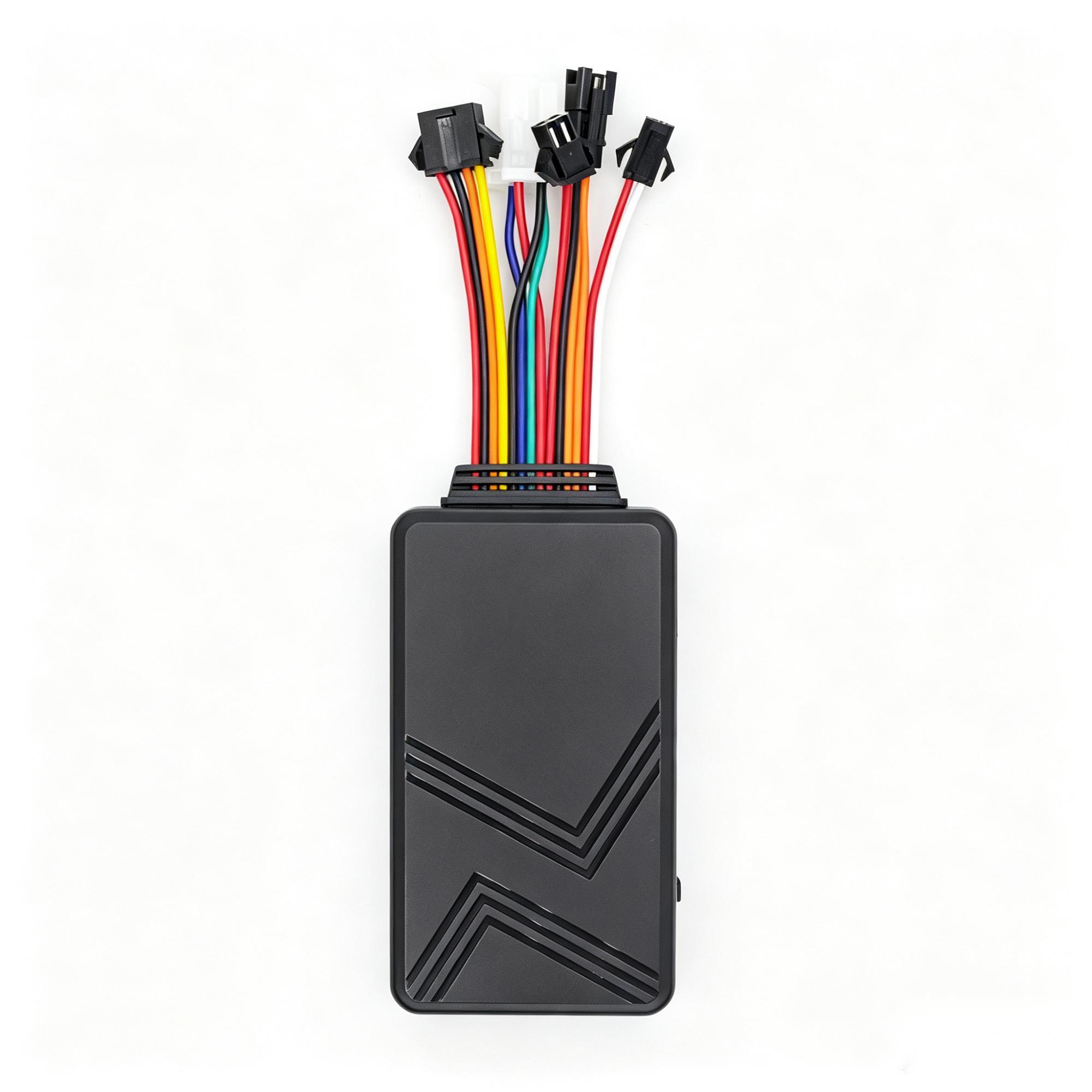
C003F
An expandable vehicle terminal for sensor and driver-identification inputs.
Explore C003F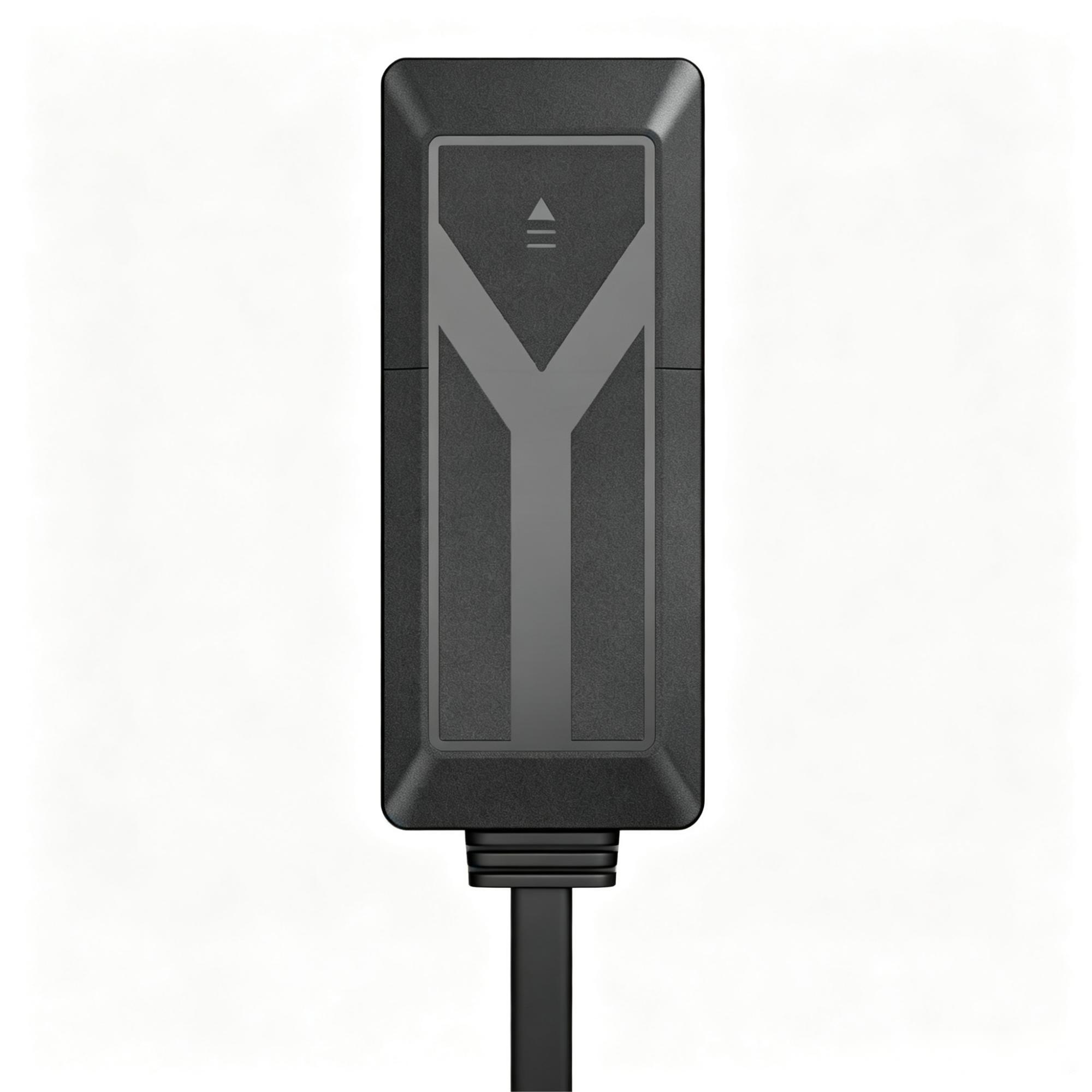
A7C
A general vehicle tracker for company and logistics fleets.
Explore A7C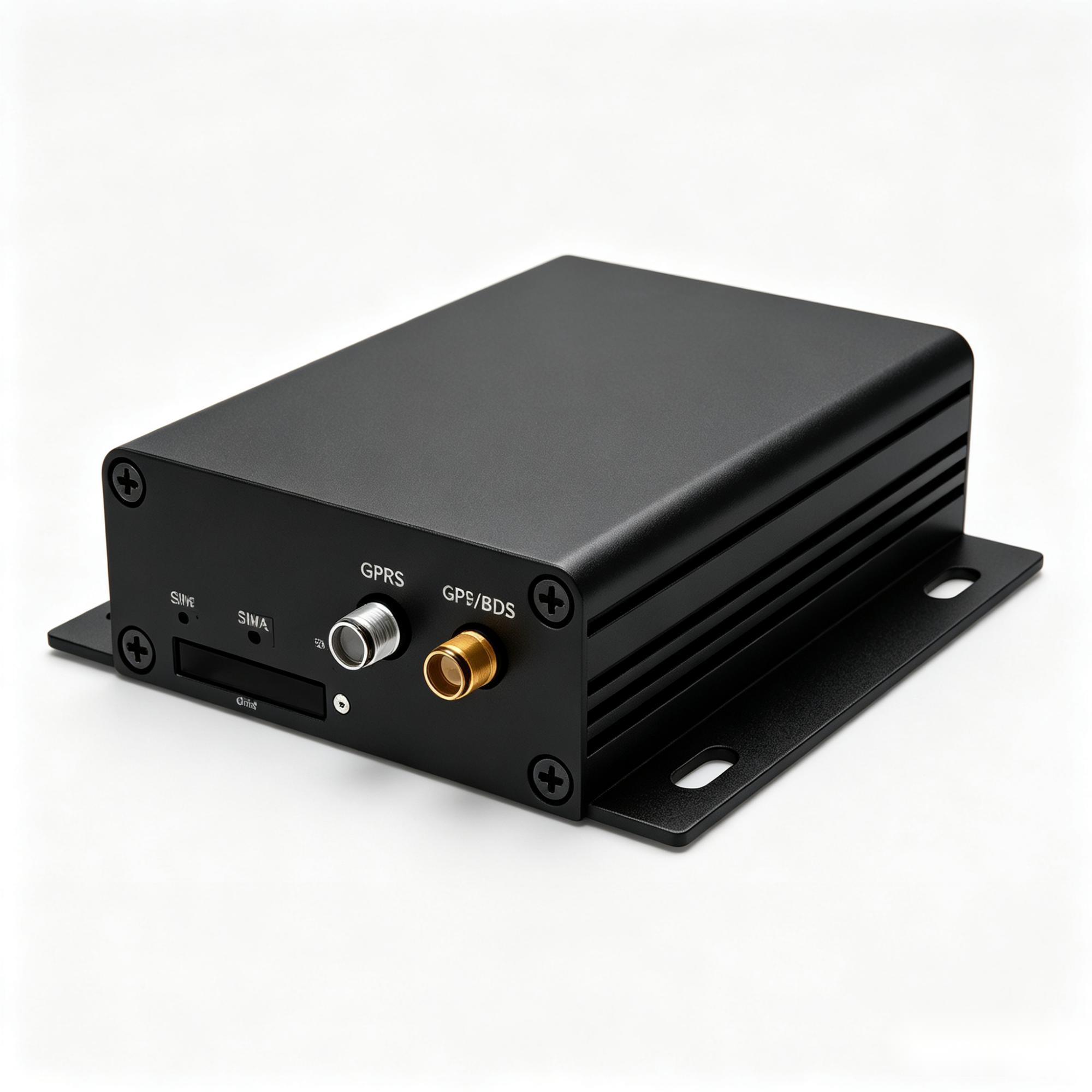
A300
An industrial gateway when the asset exposes machine data or CAN/J1939.
Explore A300Choose by asset, not by brand
| If you are tracking… | Start here |
|---|---|
| Trucks and haulage | GPS trackers for trucks — delivery versus long-haul. |
| Company cars, vans and LCVs | Company vehicles and LCVs. |
| Machines and plant | GPS trackers for equipment and plant machinery trackers. |
| Trailers | Trailer GPS tracking. |
| Shipping containers | Container tracking. |
| A mixed fleet | Mixed fleet telematics — two or three device classes, one platform. |
Commercial terms worth settling first
| Specification | Value |
|---|---|
| Minimum order | Custom orders start from 100 units. Samples and small validation batches are handled separately. |
| Lead time | Confirmed by model, configuration and order quantity. |
| Warranty | 12-month limited warranty from the shipment date shown on the commercial invoice. DOA within 30 days is handled under the existing order terms. |
| Certification | Documents are available for selected models; applicable marks are confirmed for the specific model and destination market. |
| Reply time (written) | We reply within one working day. |
Frequently asked questions
Choosing the hardware
What is a vehicle tracking system?
Three layers working together: a device, a cellular connection and a platform that turns readings into something a person acts on. Most problems occur at the joins.
Which layer should be chosen first?
Start from what the fleet needs to know, then the assets, device, connectivity and platform. Choosing hardware before knowing what vehicles expose is a common mistake.
Can we keep our existing platform and change only the hardware?
Often yes, provided the device can be pointed at the endpoint and speaks a protocol the platform can decode. Confirm it per model.
Why does reporting interval matter so much?
It drives data volume, SIM cost and, on battery devices, how long the unit lasts.
What happens when a cellular generation is switched off?
Devices built only on that generation stop reporting in the affected market. Check the roadmap against actual operating countries.
Do we need one device type for the whole fleet?
Usually not. Two or three device classes on one platform is normal for a mixed fleet.
Ordering and support
What is the minimum order quantity?
Custom orders start from 100 units. Samples and small validation batches are handled separately.
How long is the lead time?
Confirmed by model, configuration and order quantity.
What warranty applies?
A 12-month limited warranty from the shipment date shown on the commercial invoice.
Do you supply certification documents?
Certification documents are available for selected models. Which marks apply is confirmed for the specific model and destination market.